

Oil Pastel Class
Searching for an oil pastel drawing class in Hong Kong usually turns up short workshops that teach one picture and little else. ARTTRA Studio takes a different approach. Oil pastels sit inside our structured art courses in Causeway Bay, where students build colour theory, mark making and observational skill across every session rather than copying a single sample piece. This page explains how the medium is taught and which course suits your age group.
Why Oil Pastels Suit Every Stage of Art Training
Oil pastels handle like a drawing tool but behave like paint. Pigment is bound with wax and non drying oil, so colour stays soft and workable on the paper. A student can draw a crisp line, then push it into a smooth blend with a fingertip seconds later.
That flexibility carries real teaching value:
-
Immediate results. No water, no drying time, no brush control barrier.
-
Direct colour mixing. Colours blend on the paper, teaching layering order and optical mixing.
-
Pressure sensitivity. Light pressure gives broken texture. Heavy pressure gives dense coverage. Control comes from the hand.
-
Forgiving corrections. Layers can be scraped back or covered over, which encourages experimentation.
For younger children the medium strengthens grip and fine motor control. For teenagers and adults, the same sticks support still life, portrait and landscape work with the depth of painting.

How Oil Pastel Work Fits Into ARTTRA Courses
ARTTRA does not run standalone classes organised by medium. There is no separate oil pastel course, no separate watercolour course and no separate sketching course. Every medium is taught inside our age based art courses, so students meet oil pastels alongside acrylic, watercolour, clay and mixed media as part of one continuous curriculum.
The reason is straightforward. A student who only handles oil pastels learns one set of habits. A student who moves between media develops transferable thinking about composition, tone and surface, then returns to oil pastels with far more intent.
Students enrol in the course matching their age. Oil pastel projects appear according to the term plan, and instructors adjust the brief so beginners and experienced students can work on the same subject at different levels.
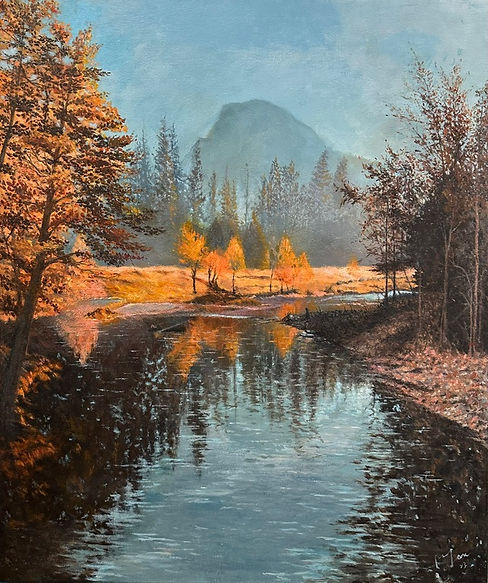
Oil Pastel Techniques Taught at ARTTRA
Students are not handed a demonstration to copy. They learn a specific handling skill, practise it on a test strip, then apply it inside a composition of their own.
Foundation Techniques
-
Blending. Merging colours with a finger, tissue or blending stump for soft transitions in sky, skin and fabric.
-
Layering. Building colour in passes so lower layers show through and create depth.
-
Scumbling. Dragging the side of the stick across textured paper so the surface breaks the mark, ideal for foliage and cloud.
-
Stippling. Dotting pigment to build tone gradually.
Advanced Handling
-
Sgraffito. Scratching through a dark layer to reveal light colour beneath, excellent for hair, grass and fine detail.
-
Impasto build up. Applying thick deposits of pigment so the surface catches light.
-
Oil pastel resist. Drawing first, then washing watercolour across the sheet so the wax repels the water.
-
Working light over dark. Starting on a dark ground and pulling highlights forward, which trains tonal thinking quickly.
-
Solvent blending. Softening pigment for a painterly finish, taught to older teens and adults under supervision.
Paper choice is taught alongside technique. Smooth surfaces suit detailed blending, while textured and toned grounds hold more pigment and change the tonal strategy of a piece.

What a Session Looks Like in Causeway Bay
ARTTRA runs small group sessions in a working studio rather than a classroom, and instructors are practising artists who teach through individual guidance at each desk.
A typical session runs in this order:
-
Subject introduction. A still life setup, reference image or imaginative brief.
-
Technique demonstration. A short, focused look at the skill being taught that day.
-
Composition planning. A light structural sketch before colour is committed.
-
Working time. The longest portion, with instructors circulating and pushing students toward their own decisions.
-
Review. A brief discussion of what improved and what to carry forward.
Students in the three to five group follow a shorter, play led version with more sensory exploration. Anyone wanting a one off creative session instead of a course can look at our art workshops, which are experience focused rather than skill progressive.
Contact ARTTRA to arrange a trial lesson in the age group that matches you or your child.
